

Trade deadline winners and losers
Which teams around baseball had the most success at the trade deadline

What a trade deadline. With 80% of both leagues within 5 1/2 games of a postseason spot on Aug. 3, teams throughout the standings made moves to try and improve. All-Stars were traded within their divisions. People are mad at the Dodgers for getting better. A.J. Preller was somehow able to find a way to buy despite his depleted farm system. Yankees fans think they should have done more.
Here are some of the biggest winners and losers after the deadline.
Winner: Los Angeles Dodgers
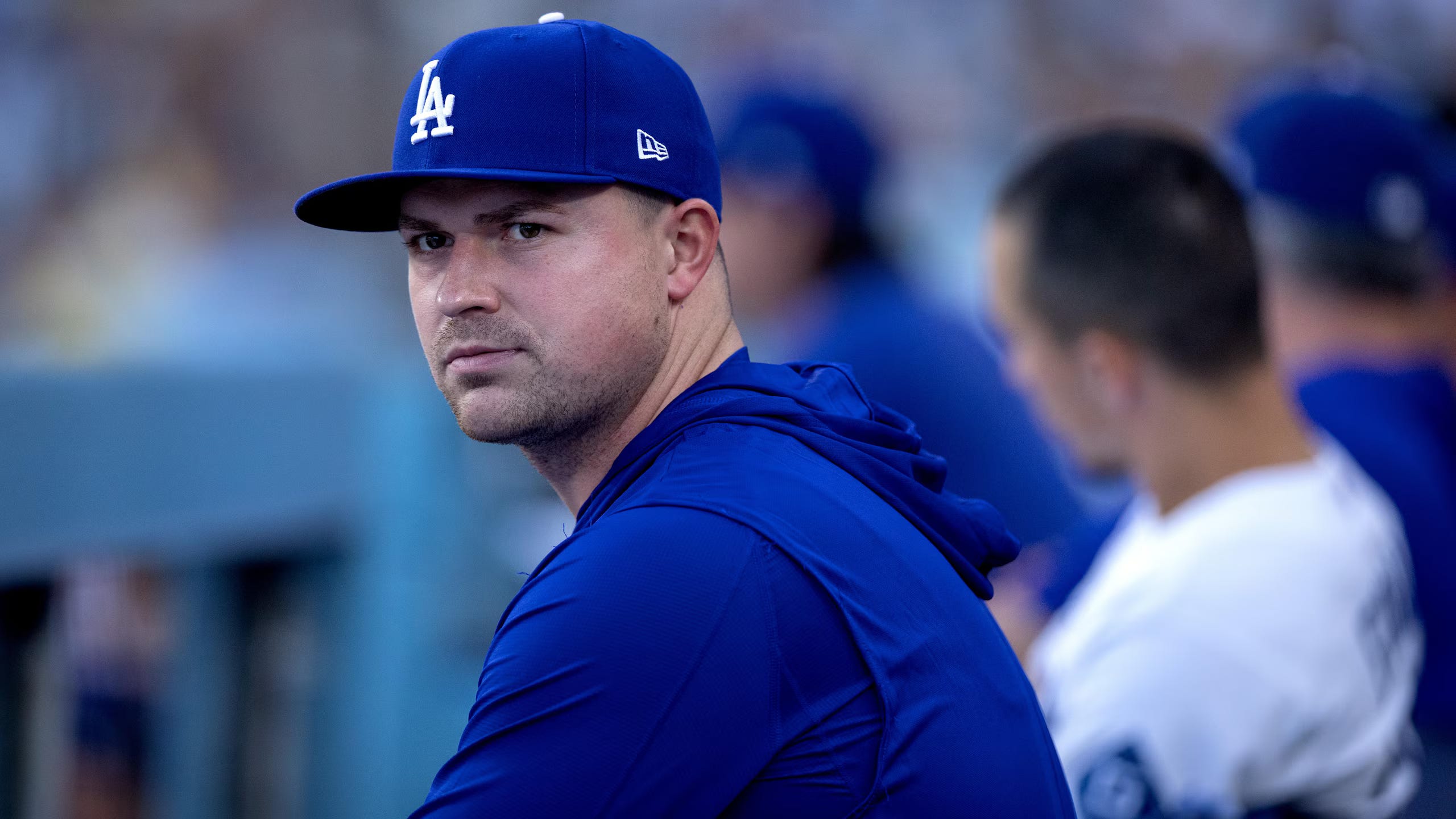
This one is easy. The Los Angeles Dodgers traded for Tarik Skubal. Skubal is the reigning back-to-back Cy Young winner in the American League and if the Dodgers rotation is healthy, there is a legitimate argument for them having the best group of starting pitchers ever assembled, even rivaling the Atlanta Braves’ Hall of Fame trio of Maddux/Smoltz/Glavine in the 90s.
Here is how the Dodgers could line up their rotation for a seven game series:
Game 1: Skubal
Game 2: Yoshinobu Yamamoto (2025 World Series MVP)
Game 3: Shohei Ohtani
Game 4: Blake Snell (two-time Cy Young winner)
Game 5: Skubal
Game 6: Yamamoto
Game 7: Ohtani
That means Tyler Glasnow and Justin Wrobleski, who was named to his first All-Star team this year, would likely move to the bullpen. For a lot of teams, guys like Glasnow or Wrobleski would be starting Game 1.
While trading for Skubal stole most of the headlines, the Dodgers also made a few under-the-radar moves to shore up the rest of their roster. They took a flyer on Kris Bubic, who is currently on the 60-day IL. Dodgers GM Brandon Gomes said that they’re currently planning on using Bubic out of the bullpen when he gets off the IL, but having someone who made an All-Star team with a 2.55 ERA last season as a starter as a “break glass in case of emergency” option is an incredible luxury.
The Dodgers also responded to injuries to their catchers Will Smith and Dalton Rushing by adding depth behind the plate, bringing back Ben Rortvedt and Hunter Feduccia, who both have both spent time in the organization and are familiar with the pitching staff.
Loser: Milwaukee Brewers
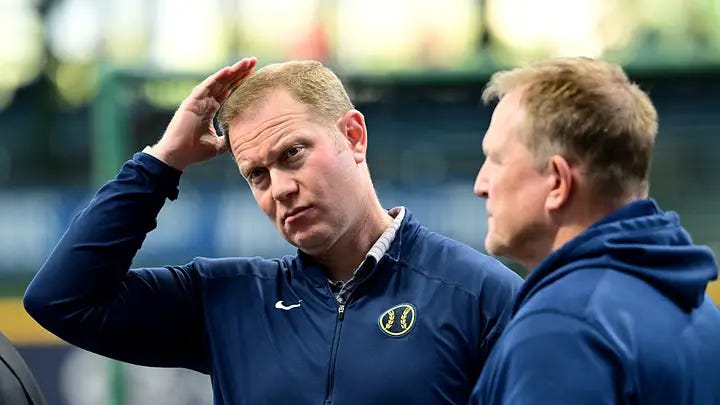
Much to the chagrin of the majority of baseball fans, the Milwaukee Brewers failed to trade for Skubal, allowing the Dodgers to swoop in and grab him. Would it have been the right move to match the deal the Dodgers gave the Detroit Tigers? That is debatable, According to MLB.com’s Adam McCalvy, the Brewers offered three hitting prospects, with the headliner being 19-year-old shortstop Luis Peña, the No. 18 prospect in MLB per MLB Pipeline. One of the other two prospects was also in the top 100, and the other was just outside. But, the Tigers wanted controllable starting pitching, and got it from the Dodgers with River Ryan. In the Brewers case, that would have meant moving 24-year-old Logan Henderson, who has a 2.70 ERA in 10 starts this season. Including a player like Henderson goes against how the Brewers operate.
While it may end up being the correct long-term decision for the Brewers to not trade for Skubal, it is still incredibly disappointing to see them only add Dustin May and JoJo Romero at the deadline. This is a team that has the best record in baseball and one of the deepest minor league systems. That is the textbook definition of a buyer. Just in the Brewers’ own division, the Chicago Cubs and Pittsburgh Pirates both made significant additions (more on that later).
Many were hoping this would be the year where the Brewers finally push all their chips in and really buy at the deadline. Maybe that was just nostalgia from 2008 when they acquired CC Sabathia at the deadline and he put together one of the most impressive two-month stretches in MLB history. Regardless, it is still disappointing to see such a fun and talented team not be more aggressive.
Winner: Pittsburgh Pirates
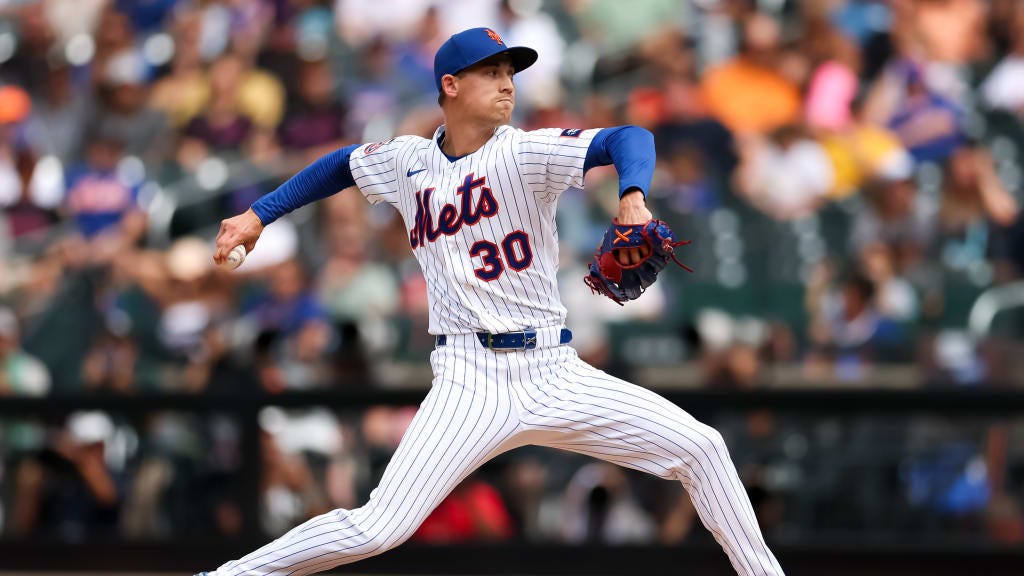
The Pittsburgh Pirates did not make any monumental moves. But, they acted in a way that indicated they are trying to win and push for their first postseason berth since 2015. Pittsburgh has the third-highest scoring offense and a talented starting rotation led by All-Stars Paul Skenes and Braxton Ashcraft. Their biggest need was bullpen help, and they certainly addressed that.
They brought in multiple players with closing experience like Luke Weaver, Camilo Doval and Kirby Yates, along with Lake Bachar from the Miami Marlins. While Doval and Yates are no longer necessarily ninth-inning options anymore, Weaver has had an excellent season with the struggling New York Mets before being traded. He has a 1.84 ERA and will almost certainly be in the mix to close games alongside Gregory Soto.
While none of the players acquired by the Pirates are world-beaters, these moves filled a clear hole in their roster and set them up to compete. They showed they were more serious this offseason when they finally made some real moves by signing Ryan O’Hearn and trading for Brandon Lowe. And that continued at the deadline. These types of trades for veteran relievers are win-now moves. Even if the Pirates do not end up making the postseason this year, this is another sign that there is a clear shift in the way the organization is operating.
Loser: Atlanta Braves
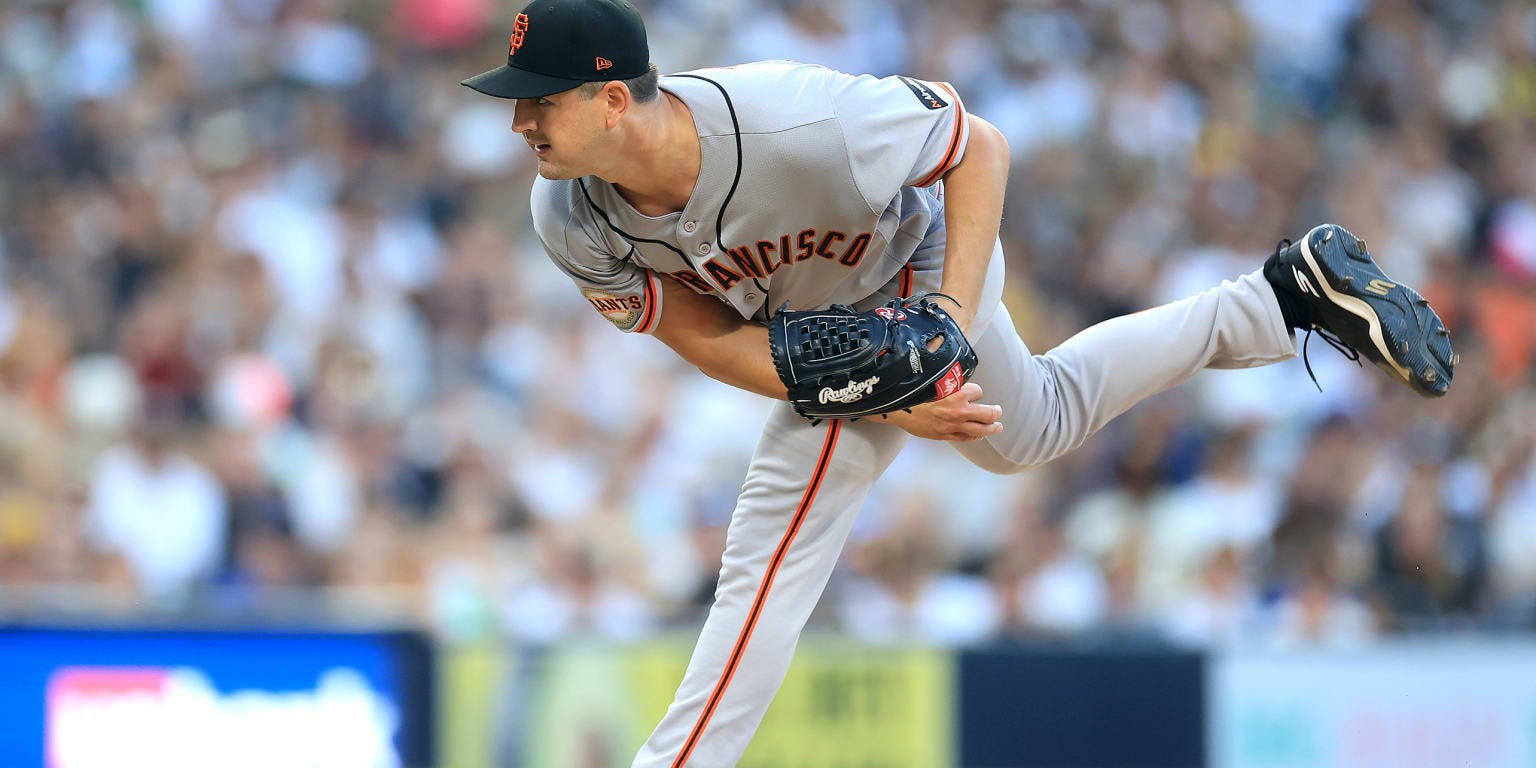
Like the Brewers, the Atlanta Braves are ahead in their division and fighting for one of the first two seeds in the NL that would guarantee them a bye past the Wild Card round into the Division Series. While the Braves have been playing great this season, their starting rotation has been ravaged by injuries.
The only addition to the rotation they made was trading for Tyler Mahle from the San Francisco Giants. Mahle has a 5.13 ERA in 18 starts and is not the type of impact player many Braves fans were hoping for. They also made some smaller depth moves for outfielder Lane Thomas and reliever Brent Suter, but given how many starting pitchers were being dealt and the relatively low price it would have taken to acquire someone better than Mahle, it is difficult to understand why the Braves were not more aggressive.
Kevin Gausman cost the Cubs two prospects ranked in the 15-20 range. Kris Bubic cost the Dodgers a prospect outside their top 30. Pitchers were available for affordable prices. Even if the Braves did not want to include any higher-level prospects, they could have at least grabbed another depth piece or two at a similar price to what they spent for Mahle.
Winner: Los Angeles Angels
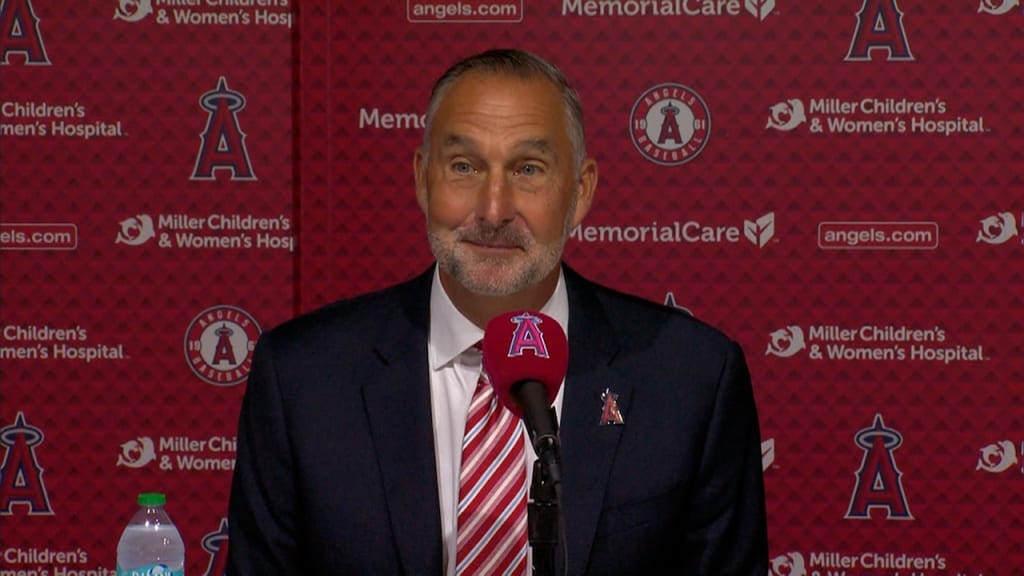
The Los Angeles Angels finally made some progress. Mike Trout, Zach Neto and Reid Detmers are still on the team, but interim general manager John Mozeliak sold off some legitimate pieces to help restock the farm system.
Jose Soriano, who cooled down significantly after his other-worldly start to the season, went to the Toronto Blue Jays for a deal centered around shortstop Arjun Nimmala, the No. 43 prospect in MLB and now the Angels’ No. 2 prospect per MLB Pipeline. Moises Ballesteros, who the Angels acquired for reliever Ryan Zeferjahn, is just 22, came into the season as the Cubs starting DH and has the potential to be a real impact bat. These types of players are legitimate building blocks.
The biggest blight on the Angels was when they did not trade Shohei Ohtani ahead of the 2023 trade deadline, failing to capitalize on the immense value he still held even though he would be a free agent after that season, and losing him to the Dodgers for nothing. It does not look like the Angels under the leadership of Mozeliak will make those same mistakes. They might not be competitive next season, but if this trade deadline is any indication, the Angels might finally be getting serious about building a true contender.
Loser: New York Yankees
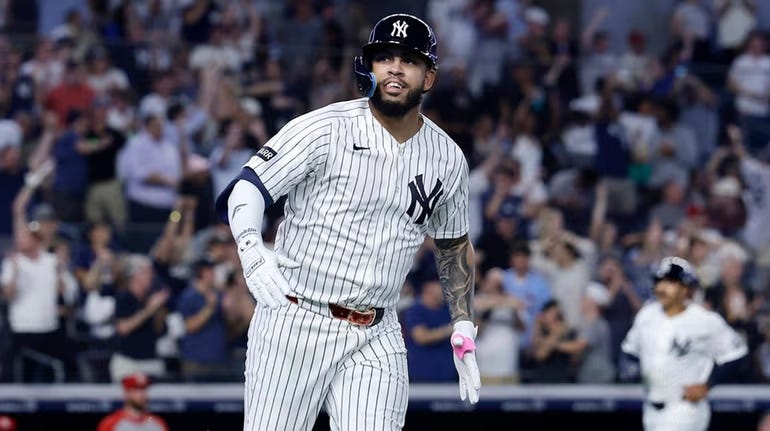
Did the New York Yankees get better? Yes. Luis Garcia was arguably the best bat to be moved at the deadline and he has already made an impact in the Bronx, hitting a go-ahead two-run home run in his first game in pinstripes. But, the Yankees failed to address their two biggest needs, catcher and the bullpen, and instead added to a position where they already have a surplus of talent.
The Ben Rice/Paul Goldschmidt first base platoon is one of the best position groups in MLB. This situation works for now because Aaron Judge and Giancarlo Stanton are still out and Rice can DH, but when the Yankees are at full strength, there will not be enough spots in the lineup for them to play all of their best hitters.
What makes the deadline even worse for the Yankees is that their two biggest competitors in the AL East each added catchers. The Boston Red Sox swung a huge deal for Adley Rutschman and the Tampa Bay Rays made a more value-conscious move for Liam Hicks. It is not fair to say that the Yankees should have out-bid the Red Sox for Rutschman, but they could have made a play for Hicks, tried to pry Ryan Jeffers away from the Minnesota Twins or taken a flyer on a guy like Logan O’Hoppe, who was basically a throw-in in a trade that sent Chase Silseth to the Rangers.
Not sure: Philadelphia Phillies
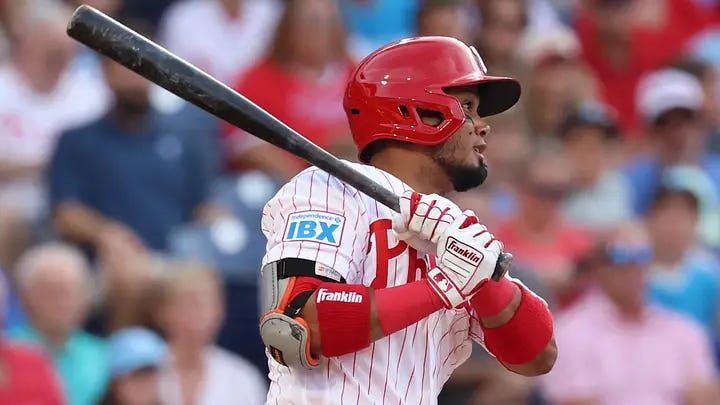
The Luis Arraez trade is fascinating. In Classic Dave Dombrowski fashion, the always-aggressive Philadelphia Phillies president of baseball operations went and got one of the best players available at the deadline. Ahead of the deadline, it looked like the Phillies’ biggest need was a right-handed hitting outfielder. Arraez is a left-handed hitting second baseman. But, he is one of the best bats alongside Rutschman and Garcia to be moved at the deadline and complements the power-hitting Phillies offense very nicely.
In order to fit Arraez into the lineup at second base, where he suddenly became an elite defender with the Giants under the tutelage of Ron Washington, a lot of pieces and to move around. Bryston Stott moved from second to third. Alec Bohm moved from third to first. And in the biggest move, Bryce Harper moved from first base to outfield, where he has not played since he injured his elbow in 2022 and changed positions to first base to limit the amount he would have to throw.
The Phillies already ranked last in Defensive Runs Saved before this. While Arraez will be a defensive upgrade at second over Stott, the potential impact this could have on the rest of the field where three players are moving positions could be problematic. While some argue that defense as a whole is overrated, this team-wide mid-season change to a team’s defensive alignment is relatively unprecedented.